
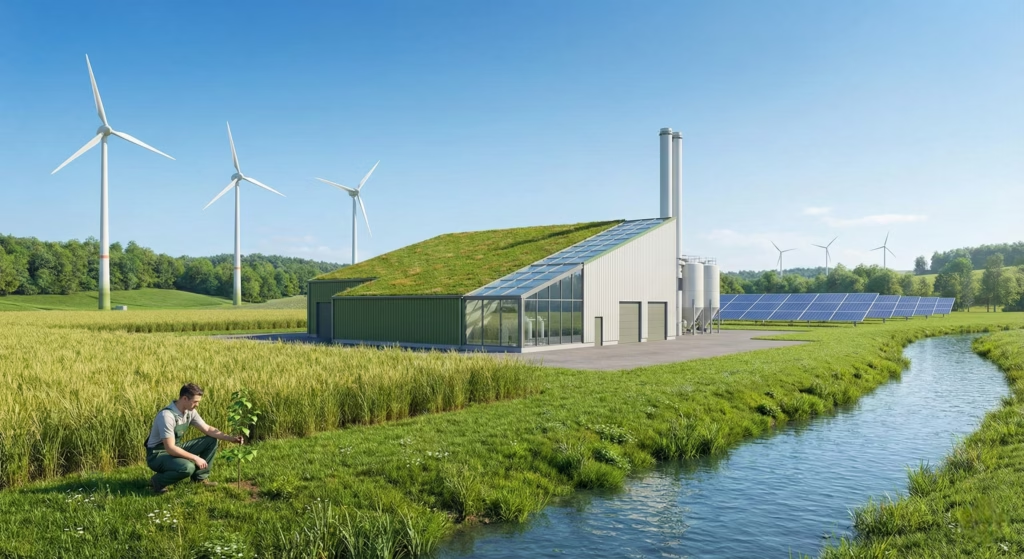
Bioenergy sounds like one of those hopeful words that instantly feels good. It brings to mind clean fields, renewable power, and a future that relies less on fossil fuels. Many people hear bioenergy and assume it is automatically better for the planet. The truth is more interesting, more complex, and far more important to understand.
Bioenergy comes from living or recently living materials such as plants, crops, wood, and organic waste. These materials are known as biomass. When biomass is burned or converted into fuel, it releases energy that can be used to produce electricity, heat homes, or power vehicles. Because plants can be regrown, bioenergy is often described as renewable. That label alone has helped it grow rapidly around the world.
Still, renewable does not always mean harmless. Bioenergy can help reduce carbon emissions in some situations, yet it can also create environmental damage when done carelessly. The impact depends on what materials are used, how they are grown or collected, and how the energy is produced.
Understanding Bioenergy in Everyday Terms
Imagine taking plant material that would otherwise decay and turning it into useful energy. That is the basic idea behind bioenergy. The sources can be as simple as wood burned for heat or as advanced as liquid fuels made from crops or algae.
Plants absorb carbon dioxide from the air as they grow. When those plants are used for energy, the carbon is released back into the atmosphere. Supporters of bioenergy often describe this as a closed loop. The idea is that new plants will absorb the same amount of carbon again, creating balance over time.
Reality adds layers to this story. Growing, harvesting, processing, and transporting biomass all require energy. That energy often comes from fossil fuels. Land used for bioenergy crops might replace forests or grasslands that once stored large amounts of carbon. These details matter because they can shift bioenergy from climate friendly to climate harmful.
Understanding bioenergy means looking beyond the fuel itself and examining the entire system around it.
Bioenergy and Climate Change
Climate change is often the main reason bioenergy is promoted. Fossil fuels release carbon that has been stored underground for millions of years. Bioenergy uses carbon that is already part of the modern carbon cycle. This difference can make bioenergy less carbon intensive in certain cases.
When bioenergy replaces coal or oil in power generation, emissions can be lower over time. This is especially true when waste materials are used. Examples include agricultural leftovers, food waste, or sawdust from lumber mills. These materials would release carbon anyway as they decompose, so using them for energy can be a smart move.
Problems arise when bioenergy leads to deforestation or land conversion. Cutting down forests to grow energy crops releases massive amounts of stored carbon. Forests also take decades to grow back, if they return at all. During that time, the atmosphere carries a heavier carbon burden.
Timing matters too. Burning biomass releases carbon instantly, while regrowth takes years. This creates what scientists call a carbon debt. The climate does not wait patiently for balance. Short term emissions can worsen warming during critical decades.
Bioenergy can support climate goals when it relies on waste and sustainable practices. It can harm climate efforts when it encourages large scale land clearing or inefficient production.
Air Quality and Human Health
Air pollution is another environmental factor tied closely to bioenergy. Burning biomass produces smoke, particles, and gases. The exact pollution depends on the type of fuel and the technology used.
Traditional wood burning in open fires or old stoves can produce high levels of particulate matter. These tiny particles can enter the lungs and bloodstream, causing respiratory and heart problems. In many parts of the world, indoor air pollution from biomass cooking is a major health risk.
Modern bioenergy systems can be much cleaner. Advanced power plants use filters and controls that reduce harmful emissions. Biogas systems that capture methane from waste can even reduce air pollution compared to letting waste decompose naturally.
The key difference lies in technology and regulation. Clean systems require investment and oversight. Without them, bioenergy can contribute to smog and health issues, especially in densely populated areas.
Land Use and Changing Landscapes
Land is one of the most valuable resources on Earth. Bioenergy competes with food production, natural ecosystems, and urban development. How land is used for bioenergy shapes its environmental impact.
Growing energy crops on existing farmland can reduce the land available for food. This pressure can push agriculture into new areas, leading to deforestation or grassland loss elsewhere. This chain reaction is often overlooked but has serious consequences.
Monoculture energy crops can also reduce soil health. Planting the same crop year after year drains nutrients and increases the need for fertilizers. Over time, soil can become less fertile and more prone to erosion.
There are better alternatives. Using marginal lands that are not suitable for food crops can reduce competition. Integrating energy crops into existing agricultural systems can also help. Perennial plants with deep roots can improve soil structure and reduce erosion.
Land use decisions determine whether bioenergy becomes a tool for restoration or a driver of environmental stress.
Water Use and Water Quality
Water plays a hidden role in bioenergy production. Growing crops requires irrigation in many regions. Processing biomass into fuels can also consume large amounts of water.
When water is withdrawn from rivers or groundwater for energy crops, ecosystems can suffer. Reduced water flow affects fish, wetlands, and downstream communities. In dry regions, this pressure can be especially severe.
Fertilizers and pesticides used on energy crops can run off into nearby water bodies. This runoff can cause algae blooms and reduce oxygen levels in lakes and rivers. Aquatic life struggles in these conditions, leading to loss of biodiversity.
Some forms of bioenergy use water more efficiently. Rain fed crops and waste based systems generally have lower water impacts. Thoughtful management and careful crop selection can reduce risks to water resources.
Effects on Wildlife and Biodiversity
Nature thrives on diversity. Forests, wetlands, and grasslands support countless species. When bioenergy development alters these habitats, wildlife feels the impact.
Clearing land for energy crops removes shelter and food sources for animals. Fragmented landscapes make it harder for species to migrate, breed, and survive. Some species adapt, while others decline or disappear.
On the positive side, certain bioenergy practices can support biodiversity. Using agricultural waste avoids new land clearing. Planting diverse energy crops instead of single species can create habitat for insects and birds.
Restoring degraded land with perennial biomass plants can also improve biodiversity. These plants can stabilize soil, improve water retention, and provide shelter for wildlife.
The relationship between bioenergy and biodiversity depends on choices. Careless expansion causes harm. Thoughtful integration can offer benefits.
Waste Reduction and Circular Benefits
One of the strongest environmental arguments for bioenergy lies in waste management. Organic waste produces methane when it decomposes in landfills. Methane is a powerful greenhouse gas.
Capturing this waste and turning it into energy reduces emissions and creates value from materials that would otherwise be a problem. Examples include food scraps, animal manure, and sewage sludge.
Biogas systems can power homes, farms, and even vehicles. The leftover material can often be used as fertilizer, closing nutrient loops.
These systems turn environmental challenges into solutions. They reduce pollution, produce renewable energy, and support local economies. When done well, waste based bioenergy stands out as a clear environmental win.
Energy Security and Local Communities
Environmental impact is not only about ecosystems. Human communities are part of the environment too. Bioenergy can influence local economies, energy access, and resilience.
Producing energy locally reduces dependence on imported fuels. This can lower transportation emissions and increase energy security. Rural areas may benefit from new jobs and income sources tied to biomass production.
However, large scale bioenergy projects can also create conflicts. Land rights, resource access, and community participation matter. When projects ignore local needs, they can cause social and environmental harm.
Community based bioenergy systems often perform better environmentally. They tend to use local waste, operate at smaller scales, and align with local priorities.
Comparing Bioenergy to Other Renewable Sources
Bioenergy is one part of the renewable energy mix. Solar, wind, and hydropower also play major roles. Each has environmental tradeoffs.
Solar and wind produce electricity without combustion. Their impacts are mostly related to land use and material extraction. Bioenergy stands out because it involves burning or chemical conversion.
This difference makes bioenergy more complex. It can produce emissions and pollution if poorly managed. It can also offer unique benefits like waste reduction and energy storage.
A balanced energy system uses multiple renewable sources. Bioenergy works best when it fills gaps that other renewables cannot, such as providing constant power or managing organic waste.
The Importance of Sustainable Practices
Sustainability is the deciding factor in bioenergy’s environmental impact. Sustainable bioenergy follows clear principles.
Biomass should come from sources that do not harm ecosystems. Production should minimize water use and pollution. Energy conversion should use efficient and clean technologies.
Certification systems and regulations help guide responsible practices. Transparency allows consumers and policymakers to make informed choices.
Without sustainability, bioenergy risks repeating the mistakes of fossil fuel development. With it, bioenergy can support environmental goals and social wellbeing.
Future Innovations and Hopeful Directions
Research continues to improve bioenergy technologies. Scientists explore advanced biofuels made from algae or agricultural residues. These fuels aim to reduce land and water impacts.
New methods capture carbon emissions from bioenergy plants and store them underground. This approach could create negative emissions, meaning more carbon is removed from the atmosphere than released.
Innovation alone is not enough. Policy, planning, and public awareness shape how technologies are used. The future of bioenergy depends on wise decisions made today.
So Is Bioenergy Good or Bad for the Environment?
The honest answer is that bioenergy is neither purely good nor purely bad. It is a tool. Like any tool, its impact depends on how it is used.
When bioenergy relies on waste, protects ecosystems, and uses clean technology, it can reduce emissions and support sustainability. When it drives deforestation, pollution, or water stress, it becomes part of the problem.
Understanding these nuances empowers better choices. Consumers can support responsible energy sources. Policymakers can design smarter regulations. Communities can demand projects that respect people and nature.
Bioenergy invites us to think deeply about our relationship with the planet. It reminds us that solutions are rarely simple. Progress comes from balance, care, and a willingness to learn.
By looking beyond labels and asking thoughtful questions, you become part of that progress.