
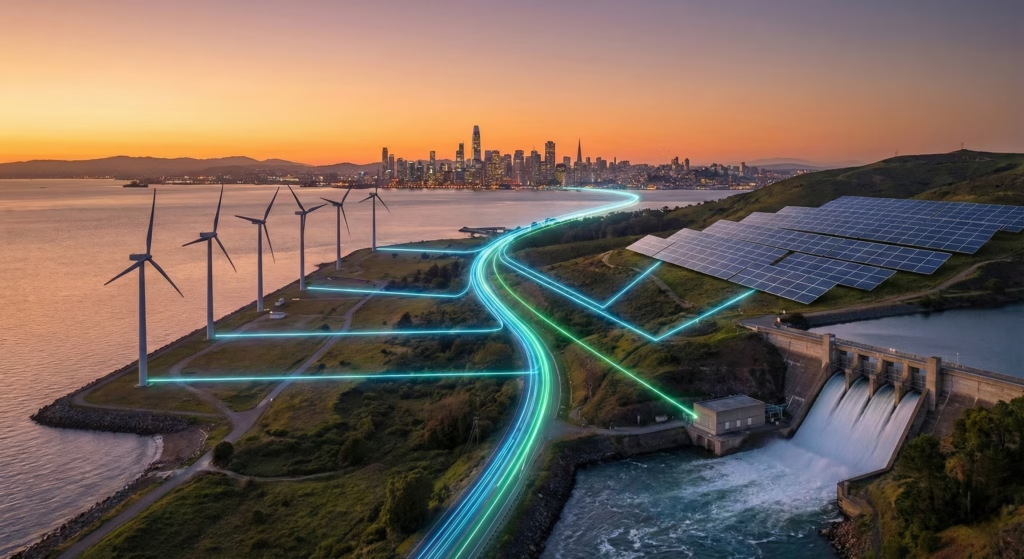
If you have ever felt the warmth of the sun on your face or watched the wind push clouds across the sky, you have already experienced renewable energy in action. Renewable energy is simply power that comes from natural sources that keep showing up day after day. Sunlight rises each morning. Wind keeps moving. Water keeps flowing. Earth keeps giving off heat. The big idea is learning how to capture that natural motion and turn it into useful energy for our homes, schools, and cities.
This kind of energy feels almost magical at first, yet the science behind it is surprisingly easy to understand. It is less about complicated machines and more about working with nature instead of against it.
The Core Idea Behind Renewable Energy
At its heart, renewable energy is about conversion. Nature provides energy in one form and technology helps change it into electricity or heat we can use. Think of it like catching rain in a bucket. The rain already exists. The bucket just gives it a place to go.
Sunlight, moving air, flowing water, and heat from deep underground all carry energy. Renewable energy systems are designed to capture that energy and guide it into wires, batteries, or heating systems. Once the energy is converted, it can power lights, charge phones, or keep rooms warm.
How Solar Energy Turns Sunlight into Power
Solar energy starts with the sun, a massive natural power source shining on Earth every day. Solar panels are built to absorb sunlight and convert it into electricity. Inside each panel are special materials that react when light hits them. This reaction creates an electric current.
That current flows into an inverter, which changes it into a form of electricity your home can use. From there, the power travels through wires just like electricity from any other source. On sunny days, solar panels can produce more energy than you need, and that extra power can be stored in batteries or sent back to the grid.
Solar energy feels personal because it often happens right on rooftops. It is a quiet reminder that even a simple beam of sunlight can run a television or keep food cold.
How Wind Energy Captures Moving Air
Wind energy begins with air in motion. Wind turbines are tall structures with large blades that spin when the wind blows. As the blades turn, they spin a generator inside the turbine. This spinning motion creates electricity.
It is similar to riding a bicycle with a dynamo light. When the wheels spin, the light turns on. Wind turbines work on the same principle, just on a much larger scale. The stronger the wind, the more electricity is produced.
Wind farms are often placed in open areas or offshore where winds are steady. They may look simple, yet they represent a clever way to turn invisible air into something we can use every day.
How Water Becomes a Power Source
Water energy, often called hydropower, uses the movement of water to create electricity. Rivers flow downhill with natural force. Dams or water channels guide that moving water through turbines. As the water pushes the turbine blades, a generator spins and electricity is produced.
This method has been used for a long time, even before modern power grids existed. Water wheels once powered mills and workshops. Today, the idea is the same, just more advanced and efficient.
Water energy is steady and reliable because rivers keep flowing. That consistency makes it a strong partner to other renewable sources like solar and wind.
Tapping Into the Heat Beneath Our Feet
Geothermal energy comes from heat stored deep inside the Earth. Beneath the surface, rocks and water can be extremely hot. In certain places, that heat is close enough to access.
Geothermal systems bring hot water or steam up from underground to drive turbines or heat buildings directly. After the heat is used, the water is often returned underground to be reheated. This creates a continuous cycle.
This type of energy works quietly in the background, providing steady power without depending on weather or daylight.
Why Renewable Energy Feels Different
Renewable energy stands out because it does not run out in the same way fossil fuels do. It also produces far less pollution, which helps keep air and water cleaner. Over time, renewable systems can reduce harm to the environment while still meeting our need for energy.
Another difference is how close it feels to daily life. Solar panels on roofs, wind turbines on hills, and water flowing through dams remind us that energy does not have to come from far away or hidden places.
The Future of Power Feels Closer Than You Think
Renewable energy is not a distant dream. It is already part of everyday life for millions of people. As technology improves, these systems become more efficient, more affordable, and easier to use.
Understanding how renewable energy works helps remove the mystery. It shows that clean power is not about complicated science alone. It is about paying attention to the natural energy all around us and finding smart ways to use it. Once you see it that way, the future of energy feels not only possible, but hopeful.