
Flip a switch and light appears. A phone charges. Music starts playing. Electricity feels almost magical because it works so instantly, yet behind that moment is a fascinating journey. Electricity does not simply exist in wires waiting to be used. It has to be made, shaped, and carefully guided before it ever reaches your home. Understanding how it is generated helps you see the hidden teamwork between nature, machines, and human creativity.
The basic idea behind electricity
At its heart, electricity is the movement of tiny particles called electrons. These particles live inside atoms and can be encouraged to move under the right conditions. When electrons flow together in one direction, that flow becomes electric current. Power stations are designed to create the push that gets electrons moving and to keep that movement steady and useful.
Spinning magnets and clever machines
Most electricity in the world is generated using a surprisingly simple concept. When a magnet moves near a coil of wire, it causes electrons in the wire to start moving. This idea is called electromagnetic induction. Instead of sliding magnets by hand, power plants use large machines called generators. Inside a generator, magnets and coils spin past each other, turning motion into electrical energy. The big question then becomes how to create all that spinning motion.
Using heat to make things move
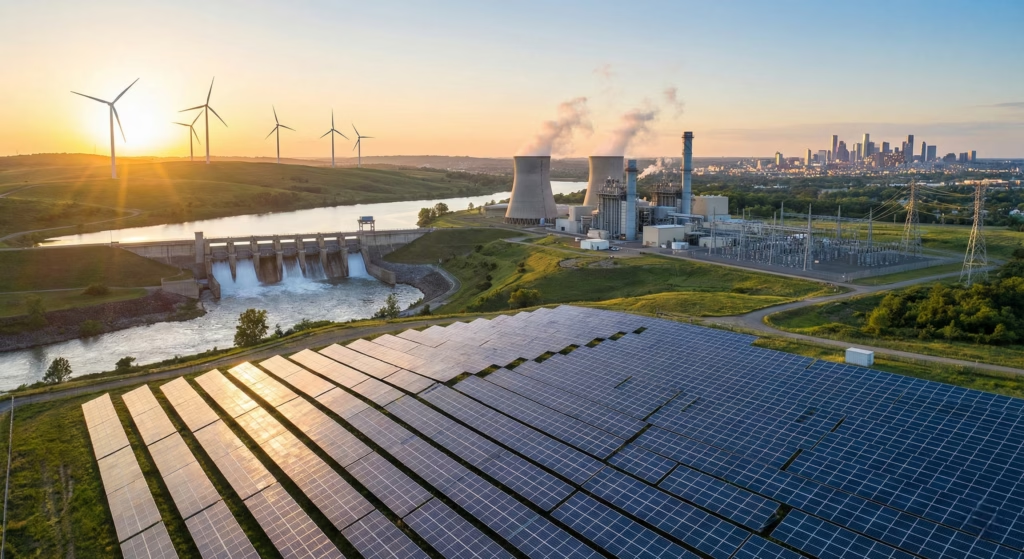
Many power plants rely on heat as the first step. Heat is used to boil water until it turns into steam. Steam expands and pushes with great force. That force spins a turbine, which is like a giant fan. The turbine is connected to a generator, and once it spins, electricity is produced.
Heat can come from several sources. Coal, oil, and natural gas are burned to release energy stored deep underground for millions of years. Nuclear power uses heat from splitting atoms, which releases enormous amounts of energy without burning fuel in the traditional sense. In all these cases, the story is similar. Heat creates steam, steam spins a turbine, and the turbine powers a generator.
Harnessing the power of moving water
Flowing water is another powerful way to make electricity. In hydroelectric power plants, water stored behind a dam is released and rushes downward. Gravity pulls the water with great force, spinning turbines as it passes through. Those turbines turn generators and electricity is created. This method feels especially elegant because it uses the natural movement of water that is already part of the water cycle.
Catching the wind
Wind power plants use tall towers with large blades that turn when the wind blows. The moving air spins the blades, which spin a shaft connected to a generator. No fuel is burned and no steam is needed. The wind does the work. On a breezy day, a single wind turbine can produce electricity for thousands of homes, quietly turning invisible motion into usable energy.
Turning sunlight into electricity
Solar power works differently from most other methods. Solar panels do not rely on spinning parts. Instead, they use special materials that react when sunlight hits them. The light energy knocks electrons loose inside the panel, creating an electric current. This process is direct and silent, turning sunlight straight into electricity. Rooftop panels and large solar farms both use this same basic idea.
From power plant to your home
Generating electricity is only part of the journey. Once electricity is created, it needs to travel long distances. Power lines carry electricity at high voltage to reduce energy loss along the way. Substations then lower the voltage so it is safe for homes, schools, and businesses. By the time electricity reaches your wall socket, it has traveled miles in a carefully managed system designed for reliability and safety.
A mix of energy sources working together
No single method supplies all the electricity we need. Different regions use different energy sources depending on what is available. Sunny places lean into solar power. Windy plains favor wind energy. Areas with rivers use hydroelectric power. Fossil fuels and nuclear energy still play major roles in many countries. Together, these sources form an energy mix that keeps lights on day and night.
Why understanding electricity matters
Knowing how electricity is generated helps you appreciate the effort behind everyday comfort. It also highlights why energy choices matter for the environment and future generations. Every time you use electricity wisely, you become part of the story that connects natural forces, human ingenuity, and the simple act of turning on a light.