
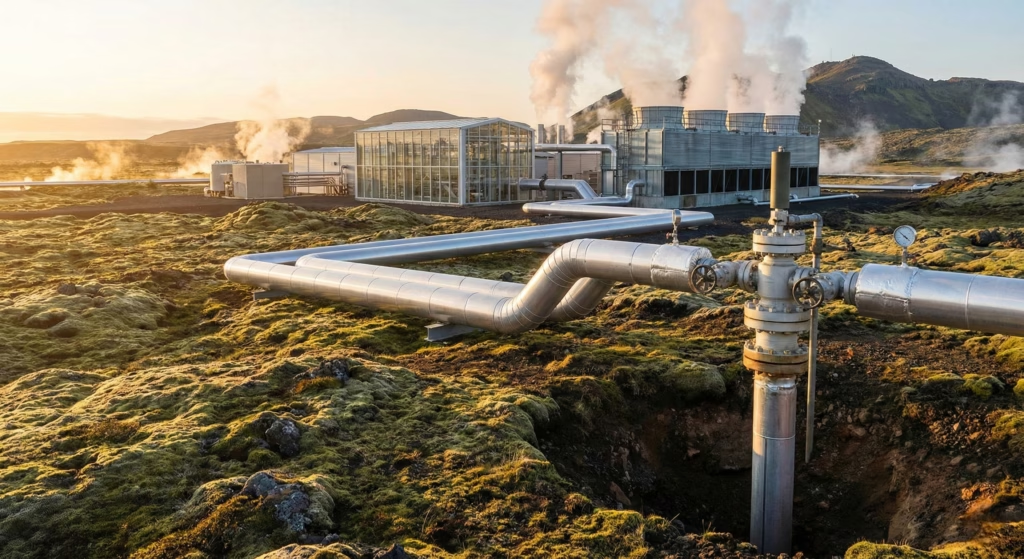
Geothermal power sounds complex at first, but the idea behind it is surprisingly simple. It all starts with heat. Deep beneath your feet, the Earth is warm. In some places, it is extremely warm. That natural heat has been there since our planet was formed, and it continues to rise toward the surface every single day. Geothermal power is all about learning how to capture that heat and turn it into electricity that can power homes, schools, and entire cities.
Imagine the Earth as a giant, slow burning engine. While we cannot see it, that engine is always running. Geothermal energy taps into this hidden system and uses it in a controlled, safe way. The process does not rely on burning fuels or creating smoke. Instead, it uses steam, hot water, and smart engineering to make turbines spin and generators produce power.
In this article, we will walk through how geothermal power is produced step by step. You do not need a science background to follow along. Think of this as a guided tour into the Earth, where we follow heat on its journey from deep underground to the light switch on your wall.
The Heat Beneath Our Feet
To understand geothermal power, you first need to understand why the Earth is hot inside. When the planet formed billions of years ago, massive forces pressed material together. That process created enormous heat. Some of that heat has slowly escaped over time, but a large amount is still trapped inside the Earth.
Another source of heat comes from radioactive elements deep underground. As these elements break down, they release energy in the form of heat. This happens naturally and continuously. The result is a planet with a hot interior and a cooler surface.
As you go deeper underground, temperatures rise. In some regions, the heat rises closer to the surface due to thin crust, volcanic activity, or natural fractures in the rock. These regions are ideal for geothermal power because the heat is easier to access.
Why Some Places Are Better for Geothermal Power
Geothermal power is not evenly distributed across the globe. Some areas are much better suited for it than others. Places near tectonic plate boundaries often have higher underground temperatures. These boundaries allow heat from deeper layers to move upward more easily.
Volcanic regions are especially rich in geothermal energy. Even if a volcano is not actively erupting, the magma below can heat surrounding rock and water. This creates natural reservoirs of hot water and steam.
However, geothermal power is not limited to volcanoes. Advances in technology are making it possible to use geothermal energy in more locations. Even areas without visible volcanic activity can tap into heat stored deeper underground, though it may require deeper drilling.
Discovering Geothermal Reservoirs
Before a geothermal power plant can be built, scientists and engineers must find a suitable geothermal reservoir. This is an area underground where heat, water, and rock work together in the right way.
Geologists study the land, measure surface temperatures, and analyze rock samples. They use tools that can detect heat flow and underground structures. Sometimes, small test wells are drilled to measure temperature and pressure deep below the surface.
A good geothermal reservoir usually has hot rock, enough water to carry heat, and cracks or spaces in the rock that allow water to move. When these conditions exist together, the site can support geothermal power production for many years.
Drilling Deep into the Earth
Once a promising location is found, drilling begins. This step is similar in some ways to drilling for oil or water, but the goal is different. Instead of searching for fuel, geothermal drilling aims to reach hot water or steam.
Drilling rigs create deep wells that can reach thousands of meters underground. These wells must be strong enough to handle high temperatures and pressure. Special materials and designs are used to keep the wells safe and stable.
Usually, more than one well is drilled. One well brings hot water or steam to the surface. Another well returns cooled water back underground. This creates a continuous cycle that can last for decades.
Bringing Heat to the Surface
After drilling is complete, the real magic begins. Hot water or steam from deep underground travels up through the production well. As it rises, pressure decreases. In some systems, this causes the hot water to turn into steam naturally.
This steam carries a large amount of energy. When it reaches the surface, it is directed toward a turbine. A turbine is a machine with blades that spin when steam pushes against them.
The spinning turbine is connected to a generator. As the turbine spins, the generator converts that motion into electricity. This electricity then travels through power lines to homes and businesses.
Different Types of Geothermal Power Plants
Not all geothermal power plants work the same way. The type of plant depends on the temperature and form of the geothermal resource.
In some areas, underground reservoirs produce dry steam. This steam can be sent directly to the turbine without much processing. This is the simplest type of geothermal power plant and one of the oldest designs.
In other locations, hot water is more common than steam. When this hot water reaches the surface, some of it flashes into steam due to lower pressure. This steam is separated and used to spin the turbine. The remaining water is usually injected back underground.
There are also systems designed for lower temperature resources. These use a secondary liquid that boils at a lower temperature than water. Heat from geothermal water transfers to this liquid, causing it to vaporize and spin the turbine. The geothermal water itself never touches the turbine.
Turning Motion into Electricity
The heart of geothermal power production lies in the generator. When the turbine spins, it turns a shaft connected to the generator. Inside the generator, magnets and coils of wire work together to produce electricity.
This process is based on a simple principle of physics. Moving magnets near coils of wire create an electric current. The faster the turbine spins, the more electricity is produced.
Once electricity is generated, it is adjusted to the right voltage and sent into the power grid. From there, it becomes part of the mix of energy that keeps lights on and devices running.
Returning Water to the Earth
After steam has done its job, it cools and turns back into water. This water is not wasted. Instead, it is injected back into the Earth through another well.
Returning the water underground helps maintain pressure in the geothermal reservoir. It also allows the water to heat up again, continuing the cycle. This makes geothermal power a renewable energy source.
The reinjection process is carefully monitored to ensure it does not harm the surrounding environment. When done correctly, it supports long term energy production with minimal impact.
Environmental Impact of Geothermal Power
Geothermal power is considered one of the cleanest energy sources available. It produces very low emissions compared to fossil fuels. There is no burning involved, which means no smoke and very little pollution.
The land footprint of a geothermal plant is relatively small. Most of the equipment is compact, and wells can be clustered together. This allows large amounts of energy to be produced from a limited area.
Some geothermal systems release small amounts of gases that are naturally present underground. These are usually captured or treated to reduce environmental impact. Overall, geothermal power has one of the lowest carbon footprints of any energy source.
Reliability and Consistency
One of the biggest advantages of geothermal power is reliability. Unlike solar or wind energy, geothermal power does not depend on weather. The Earth’s heat is available day and night, all year long.
This makes geothermal plants excellent providers of base load power. They can run continuously and provide a steady supply of electricity. This reliability helps stabilize power grids and supports other renewable energy sources.
Because geothermal plants have few moving parts exposed to weather, they often have long lifespans. With proper maintenance, a geothermal facility can operate for many decades.
Challenges in Geothermal Power Production
Despite its benefits, geothermal power does face challenges. Finding suitable locations can be difficult and expensive. Drilling deep wells requires significant upfront investment.
There is also the risk that a geothermal reservoir may not perform as expected. Temperatures might be lower than predicted, or water flow may be limited. Careful planning and testing help reduce these risks, but they cannot be eliminated entirely.
In some areas, geothermal activity must be managed carefully to avoid triggering small earthquakes. Engineers design systems to minimize these risks and monitor activity closely.
Advancements in Geothermal Technology
Technology is constantly improving how geothermal power is produced. Enhanced geothermal systems are one example. These systems create artificial reservoirs by carefully fracturing hot rock deep underground and circulating water through it.
This approach expands geothermal potential beyond naturally occurring reservoirs. It opens the door to geothermal power in many more regions of the world.
Improved drilling techniques and better materials also make geothermal projects more efficient and cost effective. As technology advances, geothermal energy becomes an increasingly attractive option.
Geothermal Power Around the World
Many countries already rely on geothermal power. Iceland is a well known example, using geothermal energy for electricity and heating. Other nations, including the United States, Indonesia, and Kenya, also have significant geothermal capacity.
Each location uses geothermal energy in a way that fits its unique geology. Some focus on electricity production, while others use geothermal heat directly for warming buildings or greenhouses.
As interest in clean energy grows, more countries are exploring geothermal options. This global expansion highlights the versatility of geothermal power.
Geothermal Energy in Everyday Life
Geothermal energy does more than produce electricity. In some areas, it is used directly to heat homes, schools, and public buildings. Hot water from underground can be piped through buildings to provide warmth.
Geothermal heat pumps are another application. These systems use stable underground temperatures to heat and cool buildings efficiently. They work even in areas without high underground heat.
These everyday uses show how geothermal energy can quietly support comfortable living while reducing energy costs and emissions.
The Future of Geothermal Power
The future of geothermal power looks promising. As the world searches for reliable and clean energy sources, geothermal stands out for its consistency and low environmental impact.
Continued research is unlocking new ways to access Earth’s heat. Deeper drilling, smarter monitoring, and improved plant designs are all part of this progress.
With the right investments and policies, geothermal power could play a much larger role in global energy systems. It offers a steady foundation for a cleaner and more sustainable future.
Final Thoughts on How Geothermal Power Is Produced
Geothermal power production is a story of working with nature rather than against it. By tapping into the Earth’s natural heat, we can generate electricity in a way that is reliable, clean, and efficient.
From the deep underground reservoirs to the spinning turbines and glowing lights, the journey of geothermal energy is both fascinating and practical. It reminds us that some of the best solutions to modern problems have been beneath our feet all along.
Understanding how geothermal power is produced helps us appreciate the quiet power of the planet we call home.