
Imagine a world without the hum of cars on the road, the glow of lights in your home, or the machines that make modern life possible. Most of this convenience comes from one unexpected source: oil. This black, viscous liquid has shaped human history, driven economies, and fueled the rise of technology and transportation. Understanding how oil is used to produce energy not only tells a story of science but also reveals the intricate connection between natural resources and our daily lives.
Oil, also called petroleum, is formed deep beneath the Earth over millions of years. Tiny plants and animals that lived in ancient oceans died and sank to the seafloor. Layers of sediment buried this organic matter, and heat and pressure gradually transformed it into oil. This long process makes crude oil a concentrated store of energy, a compact package of chemical potential waiting to be unlocked.
Once extracted, oil enters a refining process. Crude oil in its raw form is not useful for most energy needs. Refining separates it into different components, like gasoline, diesel, jet fuel, heating oil, and even products like asphalt and lubricants. Refiners heat crude oil in giant towers called distillation columns. The heat causes different parts of the oil to vaporize at different temperatures, separating them naturally. This method turns one raw material into many usable products that power daily life.
Gasoline is one of the most familiar products. It powers cars, trucks, and motorcycles, converting chemical energy into motion through engines. Combustion engines mix gasoline with air, ignite it with a spark, and produce expanding gases that push pistons. This mechanical motion spins wheels and moves vehicles. Diesel works similarly but burns at higher efficiency, making it ideal for trucks, buses, ships, and trains. Jet fuel, refined from oil, powers airplanes by burning at extreme temperatures to lift massive machines off the ground.
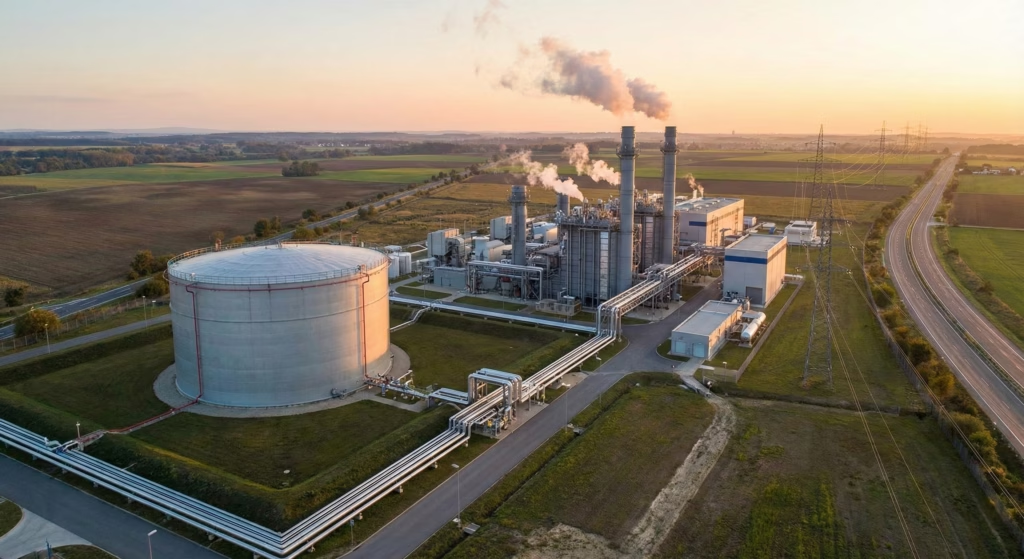
Electricity generation also uses oil, though less commonly today than coal or natural gas. Power plants burn oil to heat water, producing steam that spins turbines connected to generators. These generators convert mechanical energy into electrical energy, sending it across power lines to homes, schools, and factories. While oil-fired plants are less common, they are still crucial in areas where other fuels are scarce or when demand spikes.
Industrial applications rely heavily on oil too. Factories use oil-based fuels to operate machinery, produce chemicals, and even create plastics. Chemical energy from oil converts into heat, pressure, and motion to keep industries running efficiently. Products like fertilizers, synthetic fibers, and paints trace their origins back to oil. This shows oil is not just a fuel but a raw material for modern life.
Heating homes and buildings in colder climates often involves oil. Boilers and furnaces burn heating oil, releasing warmth through radiators and vents. In rural areas or regions without natural gas pipelines, oil remains a primary energy source for comfort. Transitioning this heat from oil to other fuels presents challenges because oil burns efficiently and stores energy densely.
Transportation forms the backbone of oil consumption globally. Cars, trucks, ships, airplanes, and trains rely heavily on petroleum-based fuels. The convenience, energy density, and relative portability of oil make it difficult to replace. Moving people and goods efficiently over long distances requires energy sources that carry a lot of power in a small space, a requirement oil meets better than most alternatives.
Beyond direct energy use, oil plays a role in energy storage and conversion. Synthetic fuels derived from oil, such as lubricants, reduce friction in engines, improving efficiency. Chemical reactions powered by oil derivatives enable the storage of energy in forms that can be transported easily, like liquid fuels for remote locations or emergencies. This versatility makes oil an indispensable part of the global energy system.
Global demand for oil has influenced geopolitics, trade, and economies for decades. Countries with large oil reserves hold strategic advantages because oil is essential for transport, industry, and energy security. Fluctuations in oil supply and prices can ripple across the world, affecting everything from grocery costs to heating bills. Understanding how oil is converted into energy reveals why nations place such importance on energy independence.
The process of turning oil into energy involves more than just burning it. Engineers and scientists study efficiency, emissions, and environmental impact. Combustion produces carbon dioxide, a greenhouse gas, contributing to climate change. Innovations in refining and engine design aim to extract more energy from each drop while reducing pollution. This balance between energy needs and environmental concerns drives ongoing research and technological advancement.
Energy from oil also ties into daily human behavior. Filling a car with gasoline, heating a home with oil, or flying across the country relies on the infrastructure built around oil. Pipelines, tankers, refineries, and gas stations create a network that moves oil from the ground to consumers. Without this complex system, the convenience of modern life would be disrupted.
Alternative energy sources challenge oil’s dominance. Solar, wind, and electric technologies promise cleaner energy with fewer emissions. Still, oil’s energy density, global infrastructure, and versatility mean it remains central today. Transitioning away from oil requires careful planning, investment in technology, and consideration of how deeply oil is embedded in transportation, industry, and heating.
Oil has a story intertwined with human progress. Early industrialization depended on coal and wood, but oil offered a more compact and powerful energy source. Automobiles, aviation, and modern industry accelerated because oil could deliver consistent energy on demand. Its role extends beyond mere fuel to shaping cities, economies, and international relations.
In refining, transportation, electricity, and industry, oil demonstrates its remarkable energy potential. Each step, from extraction to combustion, represents a transformation of stored chemical energy into motion, heat, or electricity. The journey from ancient sea life to powering a modern city is a testament to both natural processes and human ingenuity.
Even as the world looks toward sustainable energy, oil teaches lessons about energy density, convenience, and the challenges of replacing established systems. Understanding how oil produces energy allows people to make informed choices about consumption, technology, and environmental responsibility.
In summary, oil powers the modern world through a fascinating chain of processes. It starts with millions of years of natural formation, moves through sophisticated refining, and ends in vehicles, homes, factories, and power plants. Each transformation converts chemical energy into usable forms that touch nearly every aspect of daily life. Oil’s versatility, efficiency, and energy density make it a cornerstone of global energy, even as alternatives rise. Knowing how oil produces energy offers a deeper appreciation for the machines, lights, and heat that society often takes for granted.
Humans have relied on this liquid treasure for more than a century, yet its story is far from over. Whether powering a car, heating a home, or spinning a turbine, oil remains a central player in the ongoing quest for energy that fuels modern civilization. Understanding its journey encourages curiosity about science, engineering, and our relationship with natural resources. Oil is not just energy; it is the lifeblood of progress, a reminder of both our dependence on Earth’s resources and the ingenuity that turns them into motion, heat, and light.