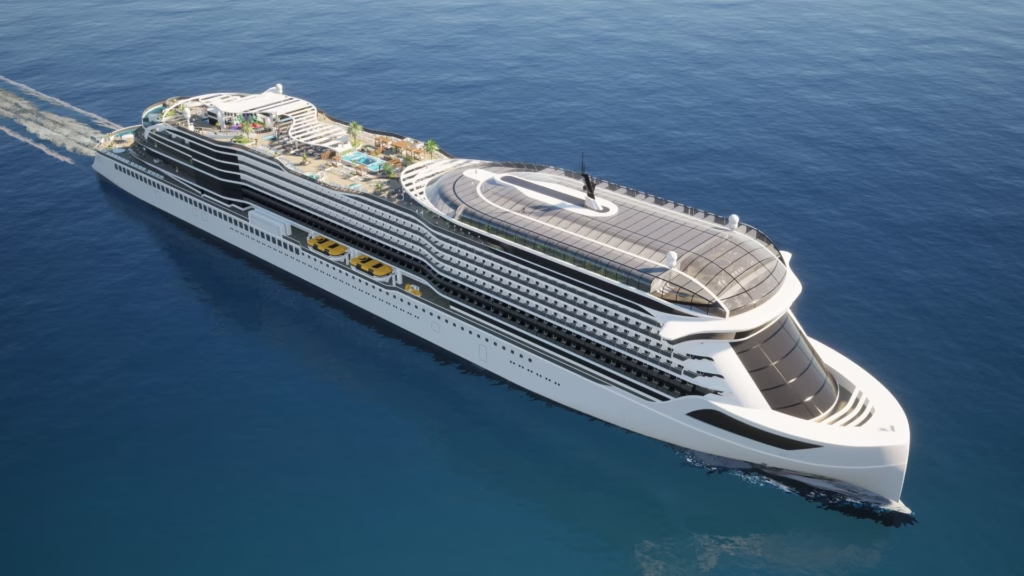
This year’s Seatrade Cruise Global in Miami brought something genuinely exciting to the table—a cruise ship concept that isn’t just a distant dream, but something that could actually happen soon. It comes from Meyer Werft, a shipyard known for pushing innovation, and this time they’re offering a real glimpse into what the future of green cruising might look like.
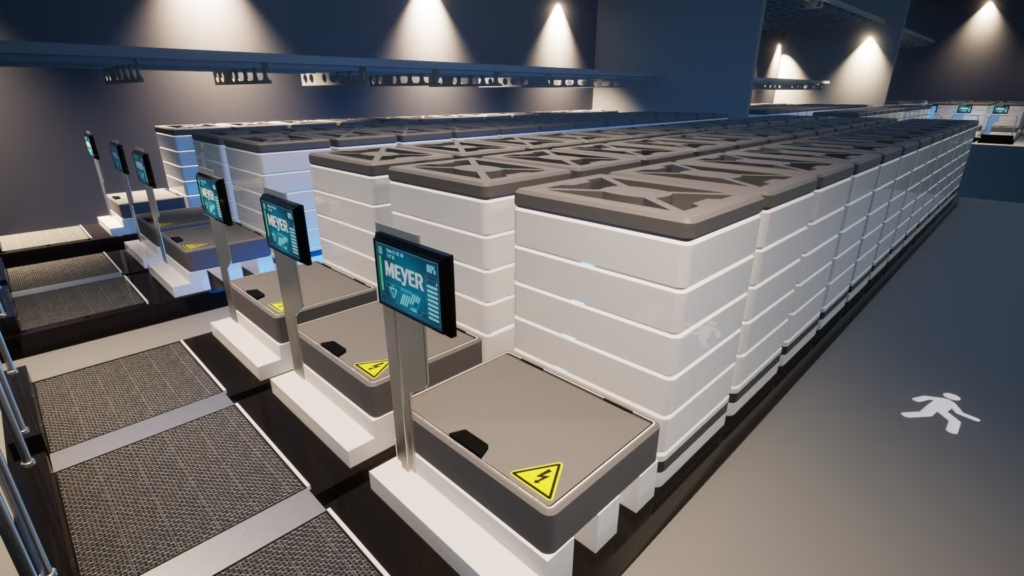
Every year, Meyer Werft introduces a new concept, and this time the focus is on fully electric propulsion. What’s interesting here is that this isn’t some far-off, experimental idea. The concept has been designed using technology that already exists today, especially when it comes to battery systems. Their Concept Development Group worked on making something practical for the cruise industry right now, not something that would take decades to figure out.
To make this possible, they teamed up with Corvus Energy, a company that specializes in battery and hybrid propulsion for ships. Together, they explored whether current battery technology could realistically power a fully electric cruise ship, and the answer seems to be yes. According to the companies involved, if someone placed an order today, this ship could be ready by 2031.
Now, there are some limitations. A fully electric cruise ship like this wouldn’t be ideal for long transatlantic journeys. Instead, it’s better suited for regional routes, especially across Europe. But here’s the clever part—by adding small generators and switching to a hybrid setup, the ship could extend its range and handle longer trips when needed.
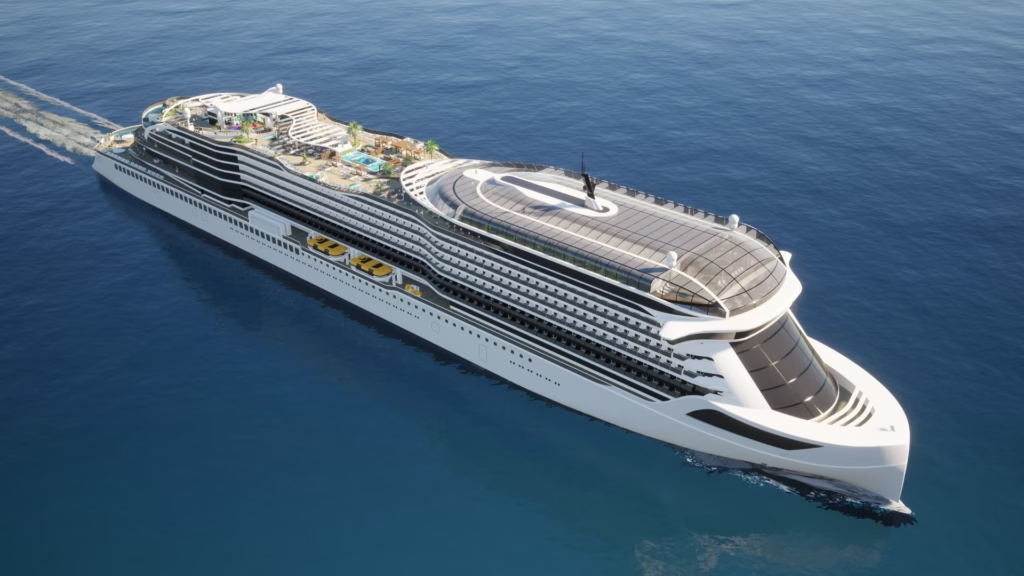
The concept, called Vision, is designed as a 275-meter cruise ship that can carry up to 1,856 passengers. It would run entirely on battery power and could reduce greenhouse gas emissions by as much as 95 percent. What really stands out is that this level of sustainability isn’t based on future breakthroughs—it’s built around technology that’s already available.
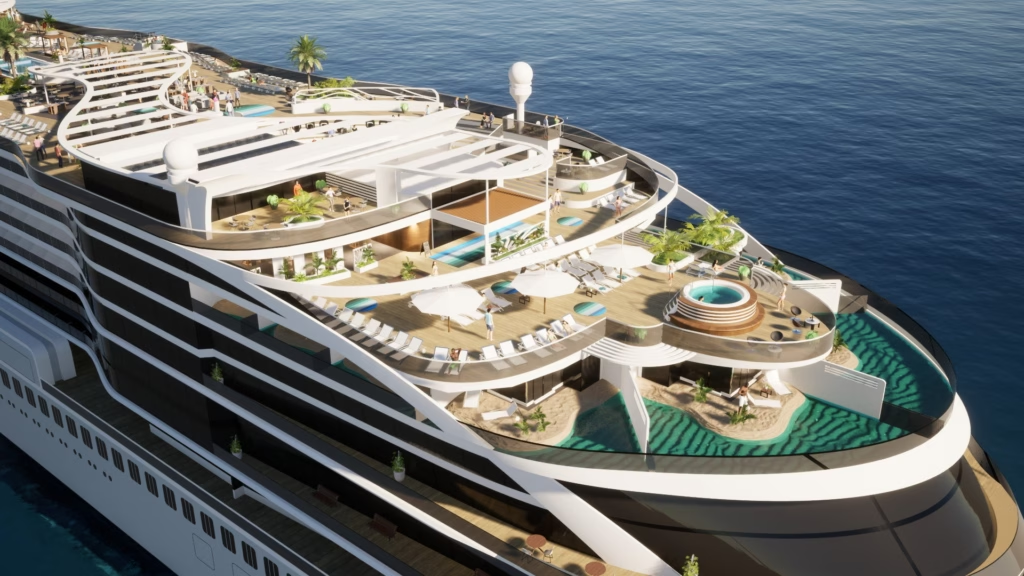
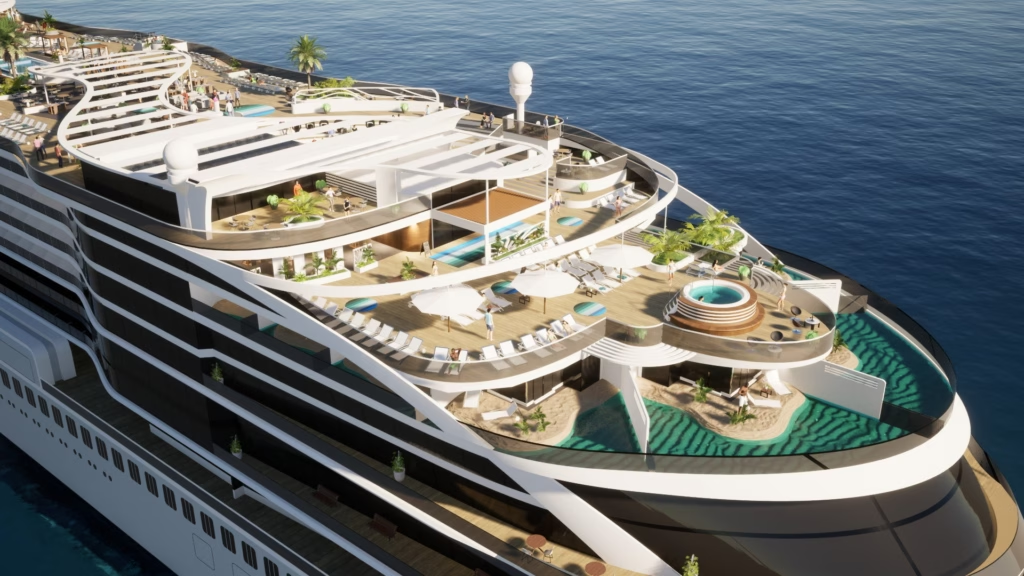
Switching to electric propulsion also changes how the ship itself is designed. Without the need for exhaust systems or large funnels, the upper decks can be completely reimagined. That means more open space and better views for passengers, especially on the sun deck.
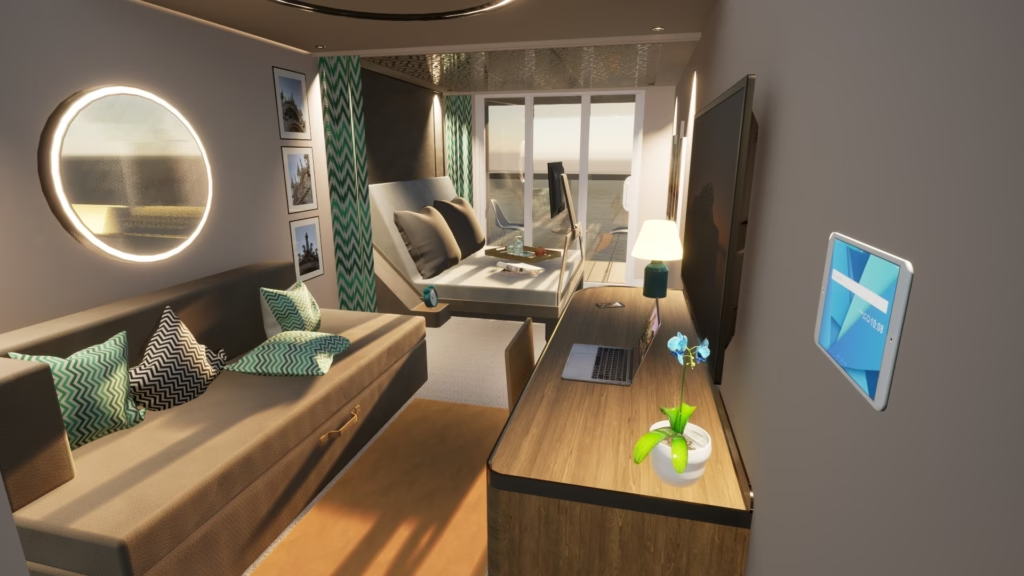
There are also some thoughtful design changes aimed at improving the onboard experience. For example, the water park area would be moved indoors at the rear of the ship, making it usable all year round. The overall design leans heavily into all-weather comfort, with enclosed, glass-covered spaces that let passengers enjoy the surroundings no matter the conditions. And since the ship runs on electric power, passengers would also notice a much quieter and smoother ride, without the usual engine noise and vibrations.
What makes Vision stand out is how realistic it feels compared to some of Meyer Werft’s earlier, more experimental ideas. This isn’t about wild concepts or futuristic designs—it’s about taking what we already have and applying it in a smart, practical way. And if everything lines up, this could very well become the world’s first fully battery-electric cruise ship.