
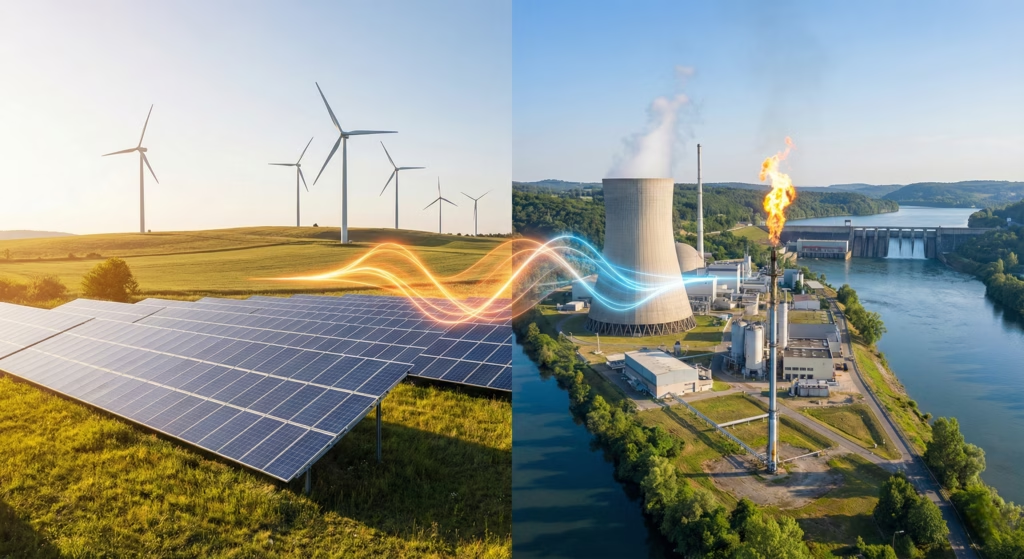
Energy is one of those words we hear all the time, yet it can feel a little mysterious. Lights turn on, cars move, phones charge, and our bodies keep going, all because of energy. Think of energy as the ability to make something happen. It is what allows motion, warmth, light, and change. Once you start noticing it, energy shows up everywhere, quietly powering the world around you.
Let us take a relaxed walk through the main types of energy and see how each one fits into everyday life.
Kinetic Energy
Kinetic energy is the energy of motion. Any time something moves, it has kinetic energy. A rolling ball, a flowing river, a running dog, or even air rushing past your face on a windy day all carry this kind of energy.
The faster an object moves, the more kinetic energy it has. A bicycle moving slowly has less energy than a speeding car. This type of energy feels very real because you can often see it or feel it directly. When something bumps into you or pushes against another object, kinetic energy is doing the work.
Potential Energy
Potential energy is stored energy waiting to be used. Picture a book resting on a high shelf. While it is sitting still, it has potential energy because it could fall. The height gives it stored power.
A stretched rubber band, water held behind a dam, or a rock perched at the top of a hill all hold potential energy. Once released, that stored energy often turns into kinetic energy. Potential energy is all about possibility and readiness.
Thermal Energy
Thermal energy is related to heat. It comes from the movement of tiny particles inside matter. When those particles move faster, the object feels warmer.
A hot cup of soup, sunlight warming your skin, or a campfire on a cool night all involve thermal energy. Even cold objects have some thermal energy because their particles are still moving. Heat flows naturally from warmer things to cooler ones, which is why a warm drink cools down over time.
Chemical Energy
Chemical energy is stored inside substances like food, fuel, and batteries. It lives in the bonds that hold molecules together. When those bonds break or rearrange, energy is released.
Your body runs on chemical energy from food. Gasoline releases chemical energy to move cars. A battery powers a flashlight the same way. Chemical energy is especially important because it is easy to store and transport, making it a big part of modern life.
Electrical Energy
Electrical energy comes from the movement of electric charges. It is one of the most familiar forms of energy because it powers so much of our daily routine.
Lights, computers, refrigerators, and phones all rely on electrical energy. It moves quickly and can be turned on or off almost instantly. This flexibility makes it incredibly useful, though it usually comes from other energy sources like chemical, nuclear, or natural forces.
Nuclear Energy
Nuclear energy is stored in the center of atoms. When atoms split or combine, they release enormous amounts of energy. This process powers the sun and provides electricity in some power plants.
Nuclear energy can produce a lot of power from a small amount of material. It requires careful control and responsibility, but it shows just how much energy is hidden at the smallest levels of matter.
Radiant Energy
Radiant energy travels as waves and does not need matter to move through. Light is the most familiar example, but radio waves, microwaves, and X rays also belong here.
The sunlight that warms the Earth is radiant energy. It allows plants to grow and makes life possible. Every time you see, you are using radiant energy because light is reaching your eyes and sending signals to your brain.
Why Energy Matters
Energy connects everything. It explains how things move, grow, shine, and change. Understanding the different types of energy helps make sense of the world, from simple daily actions to big global challenges.
Once you start looking for it, energy becomes a story playing out all around you. It is in the food you eat, the steps you take, and the light that greets you each morning. Energy is not just a science idea. It is the quiet force that keeps life in motion.