
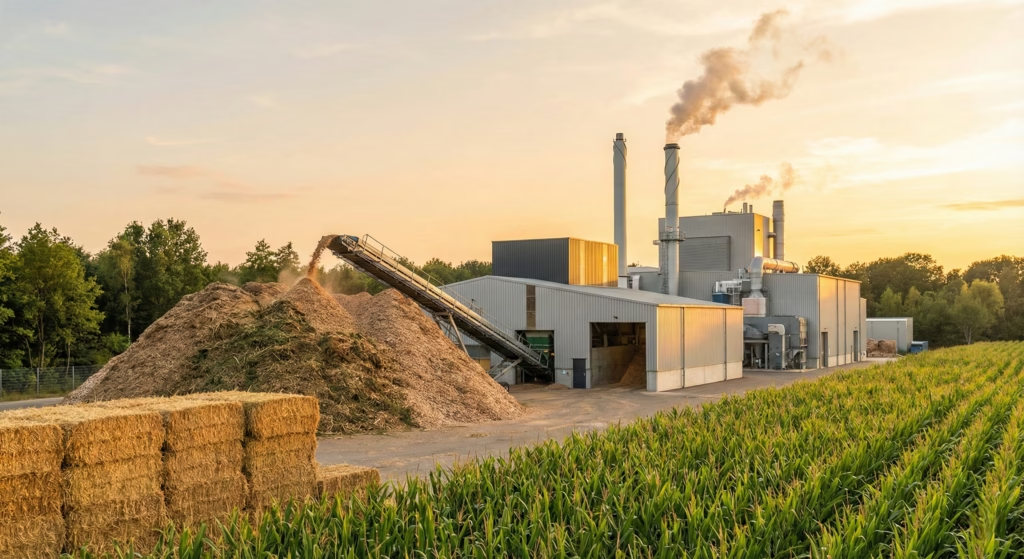
Biomass energy is one of the oldest forms of energy humans have ever used, even if we did not call it that at the time. Long before electricity, oil, or gas, people relied on wood, crop leftovers, and animal waste to cook food, stay warm, and light their homes. Biomass energy simply means energy that comes from organic materials. These materials come from plants, animals, and the natural waste they produce.
At its core, biomass energy is stored sunlight. Plants grow by using sunlight, water, and carbon dioxide through photosynthesis. That process stores energy inside the plant material. When that material is burned or converted into fuel, the stored energy is released and used to produce heat, electricity, or transportation fuel.
What makes biomass especially interesting today is that it connects the past, present, and future of energy. It is ancient in its origins, widely used across the world right now, and still evolving with modern technology. Understanding biomass energy helps explain how humans can reuse natural materials in smarter and more sustainable ways.
A Simple Way to Understand Biomass
Imagine a tree growing in a forest. Over many years, it absorbs sunlight and carbon dioxide from the air. That energy becomes part of the wood itself. When the tree falls or is cut and used as firewood, the heat you feel from the fire is actually energy that once came from the sun.
Now expand that idea beyond trees. Leaves, grass, food scraps, crop remains, manure, and even certain types of algae all store energy in the same way. Biomass energy uses these materials instead of letting them go to waste.
This is what makes biomass different from fossil fuels. Coal, oil, and natural gas also come from ancient plants and animals, but they took millions of years to form deep underground. Biomass comes from materials that are part of the current natural cycle of life. That difference has major implications for sustainability and climate impact.
A Short History of Biomass Energy
Biomass energy has been part of human life since the first controlled fires. Early humans burned wood for cooking and protection. As societies developed, biomass remained central. Wood heated homes, powered early industries, and fueled ships.
During the industrial revolution, coal began to replace wood in many places. Later, oil and gas took over even more energy roles. Biomass slowly faded into the background in industrialized countries, though it never disappeared. Many rural and developing regions continued to rely on biomass for daily energy needs.
In recent decades, interest in biomass energy has returned. Rising energy demand, concerns about climate change, and the need to reduce waste have all pushed biomass back into the spotlight. Today, it plays a role in electricity generation, heating, and transportation fuels around the world.
Types of Biomass Materials
Biomass comes in many forms, which is one reason it is so flexible. Wood remains the most familiar example. Firewood, wood chips, and wood pellets are widely used for heating and power generation.
Agricultural materials are another major source. Crop residues such as corn stalks, rice husks, and wheat straw are often left behind after harvest. Instead of burning them in fields or letting them decay, they can be collected and used for energy.
Animal waste also counts as biomass. Manure can be processed to produce biogas, a fuel rich in methane. Food waste from homes, restaurants, and grocery stores can also be turned into energy rather than filling landfills.
Some biomass sources are grown specifically for energy. These energy crops are selected for fast growth and high energy content. Grasses and short rotation trees are common examples.
How Biomass Energy Is Converted
Biomass energy can be produced in several different ways, depending on the material and the desired end use. The simplest method is direct burning. When biomass is burned, it produces heat that can be used directly or converted into electricity using steam turbines.
Another method involves converting biomass into liquid fuels. Ethanol is one well known example, often made from corn or sugarcane. These fuels can power vehicles or be blended with gasoline.
Biomass can also be turned into gas. Through controlled processes, organic material breaks down and releases biogas. This gas can be burned for heat, used to generate electricity, or refined into renewable natural gas.
Some advanced technologies transform biomass into solid fuels like pellets or into synthetic fuels that behave similarly to traditional fossil fuels. These processes make biomass easier to store, transport, and use in existing energy systems.
Biomass and Electricity Generation
Many power plants use biomass to generate electricity. In some cases, plants are built specifically for biomass. In others, biomass is burned alongside coal in existing power stations. This approach allows utilities to reduce fossil fuel use without completely rebuilding infrastructure.
Inside a biomass power plant, the process looks similar to other thermal power plants. Biomass is burned to heat water, creating steam. The steam spins a turbine, which drives a generator that produces electricity.
While this process is familiar, the fuel source makes a difference. Biomass can often be sourced locally, reducing transportation emissions and supporting regional economies. It also helps manage waste that would otherwise release greenhouse gases as it decomposes.
Biomass for Heating and Cooking
In many parts of the world, biomass remains the primary source of heat and cooking energy. Wood stoves, pellet stoves, and biomass boilers are common in homes and communities.
Modern biomass heating systems are far more efficient and cleaner than traditional open fires. Improved designs allow more complete combustion, producing more heat with less smoke and pollution.
District heating systems also use biomass in some regions. A central plant burns biomass to produce heat, which is then distributed through insulated pipes to multiple buildings. This approach can be very efficient, especially in colder climates.
Biomass and Transportation Fuels
Transportation is one of the hardest sectors to decarbonize, which makes biomass fuels especially valuable. Biofuels like ethanol and biodiesel are already blended into fuels used in cars, trucks, and buses.
Ethanol is commonly mixed with gasoline, while biodiesel can be blended with or replace diesel fuel. These fuels reduce reliance on petroleum and can lower certain emissions.
Newer biofuels aim to go even further. Advanced biofuels are designed to work in airplanes and ships, sectors where alternatives are limited. While still developing, these fuels could play a major role in future transportation systems.
Environmental Benefits of Biomass Energy
One of the biggest reasons biomass energy gets attention is its potential environmental benefits. When managed responsibly, biomass can be part of a more balanced carbon cycle.
Plants absorb carbon dioxide as they grow. When biomass is burned or converted into fuel, that carbon is released back into the atmosphere. If new plants are grown to replace the harvested biomass, they can absorb the carbon again. This cycle can result in lower net emissions compared to fossil fuels.
Biomass energy also helps reduce waste. Organic materials that would otherwise decompose in landfills release methane, a powerful greenhouse gas. Using that waste for energy captures its value and reduces harmful emissions.
Another benefit is energy diversity. Biomass adds resilience to energy systems by providing an alternative to fossil fuels and intermittent sources like wind and solar.
Environmental Challenges and Concerns
Biomass energy is not without controversy. Its environmental impact depends heavily on how it is produced and used. Poorly managed biomass can lead to deforestation, habitat loss, and soil degradation.
Burning biomass also produces air pollution. While modern systems are cleaner, emissions can still affect air quality if not properly controlled. This is especially important in densely populated areas.
Land use is another concern. Growing energy crops on land that could produce food or support ecosystems raises ethical and environmental questions. Balancing energy needs with food security and biodiversity is a complex challenge.
These concerns highlight an important truth. Biomass energy is not automatically sustainable. It requires careful planning, strong regulations, and responsible practices.
Biomass Compared to Other Renewable Energy Sources
Biomass energy stands apart from other renewable sources in several ways. Unlike wind and solar, biomass can provide continuous power. It does not depend on weather or time of day in the same way.
This reliability makes biomass useful as a base load energy source. It can fill gaps when other renewables are not producing enough power.
However, biomass is also more resource intensive. It requires land, water, and ongoing material inputs. Wind and solar rely more on infrastructure than on fuel supply.
Each renewable source has strengths and limitations. Biomass works best as part of a diverse energy mix rather than as a single solution.
The Role of Biomass in a Circular Economy
Biomass energy fits naturally into the idea of a circular economy. Instead of extracting resources, using them once, and discarding them, a circular system reuses materials as much as possible.
Organic waste becomes a resource rather than a problem. Food scraps turn into biogas. Agricultural leftovers become fuel. Even wastewater can produce energy.
This approach reduces waste, cuts emissions, and creates value from materials that would otherwise be discarded. It also encourages local solutions, keeping energy production closer to where resources are generated.
Biomass Energy Around the World
Different regions use biomass in different ways. In some countries, it is a major part of the energy system. In others, it plays a smaller but growing role.
Forested regions often rely on wood based biomass. Agricultural areas make use of crop residues and manure. Urban centers focus on waste to energy systems that process food and organic waste.
Policies and cultural factors also shape biomass use. Government incentives, energy prices, and environmental goals all influence how biomass energy develops.
Innovations Shaping the Future of Biomass
Technology continues to improve how biomass energy is produced and used. More efficient conversion processes reduce waste and emissions. Advanced fuels open new possibilities for transportation and industry.
Researchers are exploring ways to capture and store carbon from biomass energy systems. If successful, this could result in negative emissions, meaning more carbon is removed from the atmosphere than released.
Digital tools and data are also improving biomass supply chains. Better tracking and planning help ensure resources are used efficiently and sustainably.
These innovations suggest that biomass energy will not remain static. It will continue to evolve alongside other clean energy technologies.
Is Biomass Energy Truly Renewable?
The renewability of biomass depends on how it is managed. When biomass resources are replenished at the same rate they are used, the system can be renewable.
Problems arise when biomass is harvested faster than nature can replace it. Overharvesting forests or relying on unsustainable farming practices undermines the benefits of biomass energy.
Certification systems and sustainability standards aim to address these issues. They help ensure that biomass comes from responsible sources and supports long term environmental health.
Renewability is not a label that applies automatically. It is a result of choices made across the entire biomass supply chain.
What Biomass Energy Means for Everyday Life
Biomass energy may feel abstract, but it already touches daily life in many ways. The electricity powering homes, the fuel in vehicles, and the waste collected from kitchens can all be part of biomass energy systems.
Understanding biomass helps people see energy differently. It highlights connections between food, waste, land, and power. It shows how everyday actions can influence energy use and environmental impact.
As energy systems change, biomass offers both opportunities and responsibilities. It invites smarter use of natural resources and thoughtful decisions about sustainability.
Looking Ahead
Biomass energy is not a perfect solution, but it is an important piece of the energy puzzle. Its strength lies in its versatility and its deep connection to natural cycles.
The future of biomass energy depends on balance. Balance between use and renewal. Balance between energy production and environmental protection. Balance between local needs and global goals.
With careful management, innovation, and awareness, biomass energy can continue to support societies while respecting the planet. Understanding what it is and how it works is the first step toward using it wisely.