
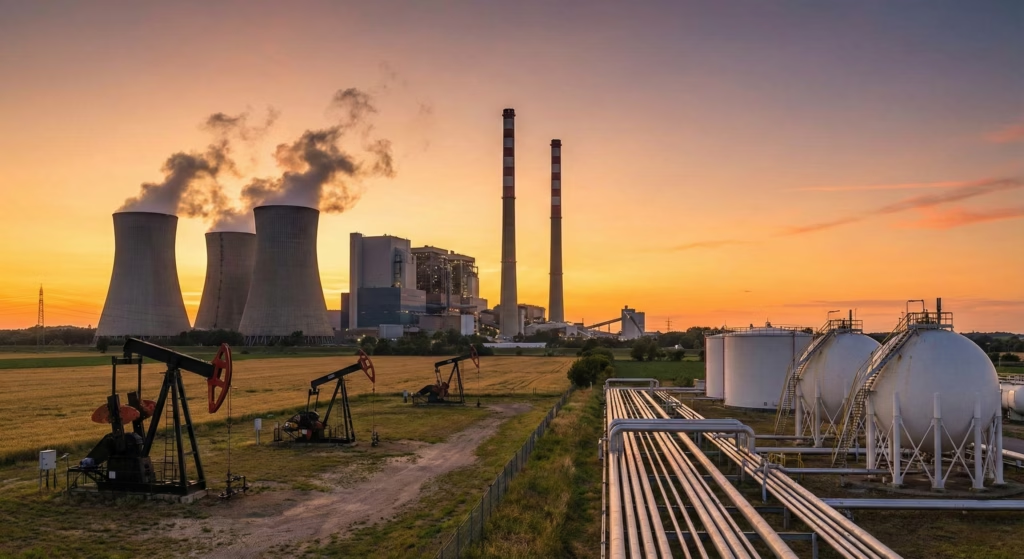
Fossil fuel energy is one of those phrases you hear all the time, yet it often feels distant or technical. It sounds like something meant for textbooks or science labs. In reality, it is deeply connected to everyday life. Every time you turn on a light, ride in a car, or feel warmth in a heated room, there is a good chance fossil fuel energy is involved.
At its core, fossil fuel energy comes from fuels formed deep underground from the remains of ancient plants and animals. These fuels include coal, oil, and natural gas. Humans burn them to release energy that can be turned into electricity, heat, or motion. This process has powered cities, industries, and entire civilizations for generations.
Understanding fossil fuel energy does not require advanced science knowledge. It simply requires curiosity about where energy comes from and how it moves through the world around you. Once you see the full story, fossil fuels stop being an abstract idea and start to feel like a chapter in a very human story.
The Ancient Story Behind Fossil Fuels
To understand fossil fuel energy, it helps to travel back in time, far beyond recorded history. Hundreds of millions of years ago, the Earth looked very different. Dense forests covered vast areas of land. Oceans teemed with tiny plants and animals. When these living things died, they did not always fully decompose.
Over time, layers of mud, sand, and rock buried this organic material. Heat from the Earth and pressure from the weight above slowly changed it. What began as leaves, trees, and microscopic organisms transformed into coal, oil, and natural gas. This process took millions of years, which is why these fuels are considered limited.
The word fossil refers to this ancient origin. These fuels are not created on a human timescale. Once they are used up, they are gone for generations far beyond our own. This long and quiet process under the ground is what makes fossil fuel energy both powerful and precious.
The Main Types of Fossil Fuels
Fossil fuels come in three main forms, each with its own story and use. Coal is usually solid and black or dark brown. It formed mainly from ancient plants that lived in swampy forests. Coal has been used for centuries, especially during the Industrial Revolution, to power factories and trains.
Oil, also called petroleum, is a thick liquid found deep underground or beneath the ocean floor. It formed mostly from tiny sea organisms. Oil is refined into fuels like gasoline, diesel, and jet fuel. These fuels make modern transportation possible, from cars to airplanes.
Natural gas is usually found alongside oil or on its own. It is made mostly of methane and is invisible and odorless in its natural state. Natural gas is commonly used for cooking, heating homes, and generating electricity. Among fossil fuels, it burns more cleanly, though it still releases carbon dioxide.
Each of these fuels comes from the same ancient process, yet they play different roles in modern life.
How Fossil Fuel Energy Is Released
Fossil fuel energy stays locked inside chemical bonds until humans release it. This release happens through burning, also known as combustion. When a fossil fuel burns, it reacts with oxygen in the air. This reaction releases heat energy.
That heat can be used in many ways. In power plants, heat boils water to create steam. The steam spins turbines, which turn generators that produce electricity. In cars, burning gasoline releases energy that pushes pistons and moves the vehicle forward. In homes, burning natural gas produces heat for warmth or cooking.
The key idea is transformation. Fossil fuel energy is stored energy from the sun, captured long ago by plants through photosynthesis. Burning simply releases that stored energy so it can do useful work today.
Why Fossil Fuels Became So Important
Fossil fuels did not always dominate energy use. For much of human history, people relied on muscle power, wood fires, wind, and water. This changed dramatically in the last few centuries.
Fossil fuels are dense in energy. A small amount can produce a large amount of power. They are also relatively easy to store and transport. Coal can be piled up. Oil can be pumped through pipelines. Natural gas can be sent through networks that stretch for miles.
These qualities made fossil fuels perfect for rapid industrial growth. Factories could run day and night. Trains could cross continents. Cities could expand and glow with electric light. Fossil fuel energy helped create the modern world as we know it.
Fossil Fuels and Everyday Life
It is easy to forget how deeply fossil fuels are woven into daily routines. Electricity often comes from power plants that burn coal or natural gas. The food in grocery stores is transported by trucks that run on diesel. Many household products are made using materials derived from oil.
Even things that seem far removed from energy use often depend on fossil fuels somewhere along the line. Clothing, electronics, and medical equipment usually require fossil fuel energy during manufacturing or transport. This hidden connection makes fossil fuels feel invisible, even though they are everywhere.
Recognizing this connection is not about blame. It is about awareness. Understanding how energy flows through life helps people make informed choices about the future.
The Environmental Cost of Fossil Fuel Energy
While fossil fuel energy has brought enormous benefits, it also comes with serious challenges. Burning fossil fuels releases carbon dioxide and other gases into the atmosphere. These gases trap heat and contribute to global warming.
Air pollution from fossil fuels can affect human health. It can irritate lungs, worsen asthma, and contribute to heart problems. Water pollution can occur when oil spills or mining waste enter rivers and oceans. Land can be damaged by mining and drilling activities.
These impacts are not always visible right away, which makes them easy to ignore. Over time, however, they add up. Changing weather patterns, rising sea levels, and more frequent extreme events are linked to increased greenhouse gas emissions.
Fossil Fuels and Climate Change
Climate change is one of the most discussed topics connected to fossil fuel energy. When large amounts of carbon dioxide build up in the atmosphere, they act like a blanket around the Earth. Heat that would normally escape into space stays trapped.
This warming affects ecosystems, agriculture, and human communities. Ice melts in polar regions. Sea levels rise. Weather becomes more unpredictable. These changes affect everyone, though not always equally.
Understanding the role of fossil fuels in climate change does not mean rejecting everything they have done for society. It means recognizing that the way energy has been used in the past may not work for the future.
Are Fossil Fuels Renewable?
Fossil fuels are considered nonrenewable. This means they do not replenish on a human timescale. While the Earth may continue forming fossil fuels deep underground, the process takes millions of years.
Humans are using fossil fuels far faster than they are created. This raises concerns about long term availability. As easy to reach reserves are depleted, extraction becomes more difficult and expensive. This can lead to economic and political challenges.
Nonrenewable does not mean fossil fuels will suddenly disappear tomorrow. It does mean they are finite and must be managed carefully while alternatives are developed.
The Economic Role of Fossil Fuels
Fossil fuels play a major role in the global economy. Millions of people work in industries related to coal mining, oil drilling, refining, and power generation. Entire regions depend on fossil fuel production for jobs and income.
Energy prices affect the cost of living. When fuel prices rise, transportation and food often become more expensive. This makes fossil fuels not just an environmental issue but also a social and economic one.
Any shift away from fossil fuels must consider these human factors. Transitions in energy systems affect real people and communities.
Fossil Fuels Versus Renewable Energy
Renewable energy sources such as solar, wind, and water power are often compared to fossil fuels. Unlike fossil fuels, renewables are naturally replenished on short timescales. The sun rises each day. Wind continues to blow. Rivers keep flowing.
Renewables produce energy with much lower emissions. They offer a path toward reducing pollution and slowing climate change. However, they also come with challenges like storage, infrastructure, and consistency.
Fossil fuels currently provide reliable and controllable energy. This reliability is one reason they remain widely used. The energy conversation today is about balancing reliability with sustainability.
Why Fossil Fuels Are Still Used Today
Despite growing awareness of environmental issues, fossil fuels remain a major energy source. One reason is infrastructure. Power plants, vehicles, and heating systems are built around fossil fuels. Changing these systems takes time and investment.
Another reason is energy demand. Modern societies require enormous amounts of energy. Fossil fuels can meet this demand at scale. In many regions, alternatives are still developing.
Understanding why fossil fuels are still used helps move the conversation beyond simple answers. Energy choices are complex and influenced by technology, economics, and policy.
The Future of Fossil Fuel Energy
The future of fossil fuel energy is a topic of debate and innovation. Some experts focus on improving efficiency and reducing emissions through technologies like carbon capture. Others emphasize a faster transition to renewable energy.
What is clear is that energy systems are changing. New technologies are emerging. Public awareness is growing. Younger generations are asking thoughtful questions about sustainability and responsibility.
Fossil fuels may continue to play a role for some time, but their dominance is likely to decline as cleaner options become more accessible.
How Understanding Fossil Fuels Empowers You
Learning about fossil fuel energy is not just about science. It is about understanding how the world works and how choices are made. When you know where energy comes from, you can better understand news, policies, and personal decisions.
This knowledge encourages critical thinking. It invites curiosity rather than fear. It reminds us that energy is a human story shaped by creativity, necessity, and consequences.
You do not need to be an expert to engage with energy topics. Asking simple questions is enough to start meaningful conversations.
Fossil Fuel Energy in a Human Story
At the heart of fossil fuel energy is a story about humanity. It is a story of discovery, innovation, and ambition. It is also a story of unintended effects and growing awareness.
Fossil fuels helped build modern life. They powered hospitals, schools, and communication systems. At the same time, they challenged the planet in ways that are now impossible to ignore.
Seeing fossil fuel energy as part of a larger story helps move beyond extremes. It allows room for gratitude, responsibility, and hope.
Final Thoughts on Fossil Fuel Energy
Fossil fuel energy is more than a scientific term. It is a bridge between the ancient past and the modern present. It connects prehistoric forests to glowing city lights and moving vehicles.
Understanding what fossil fuel energy is helps make sense of the world around you. It reveals how deeply energy choices shape society and the environment. It also highlights why conversations about energy matter so much today.
As the world looks toward new energy paths, knowledge becomes a powerful tool. By understanding fossil fuel energy, you become part of a global conversation about how humanity powers its future.