
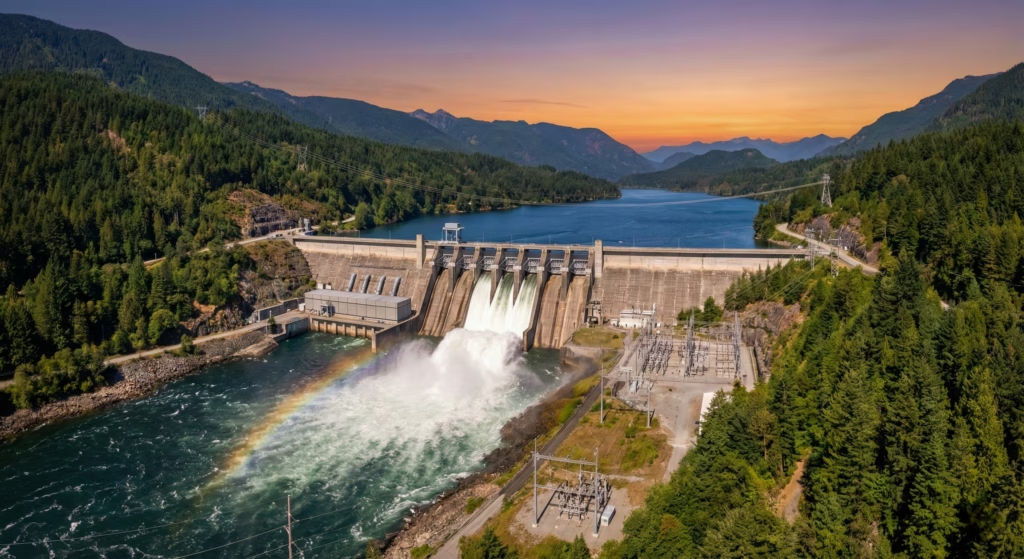
Imagine standing beside a fast moving river. You hear the rush of water, feel the cool air, and watch the current push forward with quiet strength. That movement is not just beautiful. It is powerful. Hydropower energy is the process of turning that natural motion of water into usable electricity.
At its heart, hydropower is simple. Water flows, water moves, and that movement creates energy. Humans have learned how to capture that energy and turn it into something we can use to light homes, run factories, and power entire cities. Hydropower is one of the oldest energy sources used by people, yet it remains one of the most important today.
Unlike fuels that need to be burned, hydropower relies on the natural water cycle. Rain falls, rivers flow, and gravity does the work. This makes hydropower a renewable energy source, meaning it does not run out as long as the water cycle continues.
A Simple Way to Understand Hydropower
Think about a water wheel from an old storybook or history class. Water hits the wheel, the wheel turns, and that turning motion can grind grain or pump water. Hydropower works in a very similar way, just with modern technology.
Instead of a wooden wheel, hydropower plants use turbines. When water flows over or through these turbines, it makes them spin. The spinning turbine is connected to a generator. As the generator turns, it produces electricity. That electricity then travels through power lines to homes and businesses.
The key idea is movement. Moving water creates motion. Motion creates energy. Hydropower simply captures and directs that energy in a useful way.
A Brief History of Hydropower
Long before electricity existed, humans used flowing water to make life easier. Ancient civilizations used water wheels to grind wheat into flour. Rivers powered sawmills, textile mills, and irrigation systems. Water was one of the first natural forces people learned to control.
In the late nineteenth century, scientists and engineers discovered how to turn mechanical energy into electrical energy. Hydropower became one of the earliest ways to generate electricity. The first hydropower plants lit up small towns and factories, changing daily life in remarkable ways.
As technology improved, hydropower projects grew larger. Massive dams were built to control rivers and generate power for entire regions. Some of these structures still operate today, producing clean electricity decades after they were first built.
How Hydropower Plants Work
A hydropower plant may look complex, but the basic idea is easy to follow. Water stored at a higher level has potential energy because of gravity. When that water is released, it flows downward with force.
The water flows through channels or pipes that guide it toward turbines. As the water hits the turbine blades, it causes them to spin. The spinning turbine turns a generator. Inside the generator, magnets and coils work together to produce electricity.
Once the water has passed through the turbine, it continues downstream. The water is not used up or changed in a harmful way. It simply returns to the river and continues its journey.
This continuous flow allows hydropower plants to produce electricity day and night, as long as water is available.
Different Types of Hydropower Systems
Hydropower does not come in just one form. There are several ways to capture the energy of water, depending on geography and needs.
Some systems rely on large dams that create reservoirs. These reservoirs store vast amounts of water, allowing operators to control when and how much electricity is produced. This flexibility is valuable when electricity demand changes throughout the day.
Other systems use the natural flow of rivers without large reservoirs. These are often called run of river systems. They generate power using the river’s natural movement and have a smaller impact on the surrounding landscape.
There are also pumped storage systems. These act like giant water batteries. During times of low electricity demand, extra power is used to pump water uphill into a storage area. When demand increases, the water is released to generate electricity. This helps balance the power grid.
Why Hydropower Is Considered Renewable
Renewable energy comes from sources that naturally replenish themselves. Hydropower fits this definition because it depends on the water cycle. Sunlight causes water to evaporate. Clouds form. Rain falls. Rivers flow. The cycle repeats again and again.
As long as this natural process continues, hydropower remains available. No fuel needs to be mined or transported. No resource is permanently consumed. This makes hydropower one of the most reliable renewable energy sources.
Hydropower plants can operate for many decades. Some facilities built generations ago still produce electricity today with proper maintenance. This long lifespan adds to their value and sustainability.
Environmental Benefits of Hydropower
One of the biggest advantages of hydropower is its low impact on air quality. Hydropower plants do not burn fuel, so they do not release smoke or harmful gases during operation. This helps reduce air pollution and protects human health.
Hydropower also plays a role in fighting climate change. Electricity generated from water produces far fewer greenhouse gas emissions compared to fossil fuels. This makes hydropower an important part of efforts to reduce global carbon output.
In addition, reservoirs created by dams can offer benefits such as flood control, irrigation, and water storage for dry periods. In some areas, hydropower projects have helped stabilize water supplies and support agriculture.
Environmental Challenges and Concerns
Hydropower is not without its challenges. Large dams can change natural river systems and affect local ecosystems. Fish migration routes may be disrupted, and habitats can be altered.
When land is flooded to create a reservoir, plants and trees may decompose underwater, releasing gases. This effect varies by location and design, but it is an important factor to consider.
Modern hydropower projects aim to reduce these impacts. Fish ladders, improved turbine designs, and careful site selection help protect wildlife. Many older dams are also being updated to improve their environmental performance.
Understanding both the benefits and challenges helps communities make informed decisions about hydropower development.
Hydropower and Energy Reliability
One reason hydropower remains so valuable is reliability. Water flow is often more predictable than wind or sunlight. This allows hydropower plants to provide steady electricity and respond quickly to changes in demand.
When people turn on lights in the evening or factories ramp up production, hydropower can adjust output rapidly. This makes it an excellent partner for other renewable sources that may fluctuate.
In many regions, hydropower acts as the backbone of the power grid. It provides stability while supporting the growth of solar and wind energy.
Hydropower Around the World
Hydropower is used on every continent except Antarctica. Countries with large rivers and mountainous terrain often rely heavily on this energy source.
Some nations generate most of their electricity from hydropower, enjoying low emissions and stable energy prices. Others use it as part of a balanced mix that includes solar, wind, and other renewables.
In developing regions, small hydropower projects can bring electricity to remote communities. These systems improve quality of life by powering schools, clinics, and local businesses without requiring large infrastructure.
Hydropower’s flexibility allows it to serve both massive cities and small villages.
The Role of Dams in Hydropower
Dams are often the most visible part of hydropower, and they inspire strong opinions. A dam controls the flow of water, creating a height difference that increases energy potential.
This control allows operators to store water and release it when electricity is needed most. During heavy rainfall, dams can also help reduce flooding by managing water levels.
Not all hydropower requires massive dams. Many modern projects focus on smaller designs that blend into natural landscapes. These approaches aim to balance energy production with environmental care.
Small Scale Hydropower Solutions
Not every hydropower project is huge. Small scale systems can generate electricity for a single building or a small community. These systems often use existing streams or irrigation channels.
Small hydropower is especially useful in rural or mountainous areas where connecting to a large power grid is difficult. It provides clean energy close to where it is used, reducing the need for long transmission lines.
Because of their size, these projects usually have less environmental impact and can be built more quickly. They offer a practical solution for sustainable development.
Hydropower and Climate Change
Climate change affects rainfall patterns and water availability, which can influence hydropower production. In some regions, increased rainfall may boost energy output. In others, droughts can reduce it.
Planning for these changes is essential. Engineers and policymakers are working to design hydropower systems that can adapt to shifting conditions. This includes improving water management and combining hydropower with other renewable sources.
Despite these challenges, hydropower remains one of the most resilient energy options. Its ability to store energy and respond quickly makes it valuable in a changing climate.
Innovations in Hydropower Technology
Hydropower technology continues to evolve. New turbine designs are more efficient and safer for aquatic life. Digital monitoring systems help operators manage water flow and equipment performance with greater precision.
Some projects focus on adding turbines to existing dams that were built for other purposes. This approach generates clean electricity without building new structures.
Researchers are also exploring ways to harness energy from ocean tides and waves. These forms of water energy share similarities with hydropower and expand the potential of water based electricity.
Hydropower in Everyday Life
Many people use hydropower without realizing it. The electricity that charges phones, runs refrigerators, and powers public transportation often comes from flowing water.
Hydropower also supports industries that require large amounts of energy, such as manufacturing and data centers. Its steady output helps keep economies running smoothly.
Even when you flip a light switch, there is a good chance that a river or reservoir played a role in making that moment possible.
Comparing Hydropower to Other Energy Sources
Every energy source has strengths and weaknesses. Hydropower stands out for its reliability and low emissions during operation. It can generate large amounts of power and respond quickly to demand.
Compared to fossil fuels, hydropower produces far less pollution and does not rely on limited resources. Compared to solar and wind, it offers more consistent output and energy storage capabilities.
The best energy systems often combine multiple sources. Hydropower works well alongside other renewables, creating a balanced and resilient energy mix.
Social and Economic Impacts
Hydropower projects can bring jobs and economic growth. Construction, maintenance, and operation create employment opportunities. Access to electricity supports education, healthcare, and local businesses.
At the same time, large projects can affect communities by changing land use and water access. Responsible planning includes listening to local voices and ensuring fair benefits.
When done thoughtfully, hydropower can support both economic development and environmental stewardship.
The Future of Hydropower Energy
Hydropower is not a technology of the past. It is an evolving part of the future energy landscape. As the world seeks cleaner and more reliable power, hydropower continues to play a vital role.
Modern projects focus on efficiency, environmental protection, and flexibility. Upgrading existing facilities can increase output without building new dams. Integrating hydropower with smart grids enhances energy management.
The future of hydropower lies in balance. It combines respect for nature with the need for sustainable energy.
Why Hydropower Still Matters Today
Hydropower energy represents a connection between nature and technology. It shows how simple forces like flowing water can support modern life.
In a world facing energy challenges and climate concerns, hydropower offers a proven solution. It is clean, reliable, and rooted in natural processes that have powered Earth for millions of years.
Understanding hydropower helps us appreciate the hidden systems that support daily life. The next time you see a river flowing steadily forward, remember that it carries not just water, but the potential to light cities, power homes, and shape a more sustainable future.