
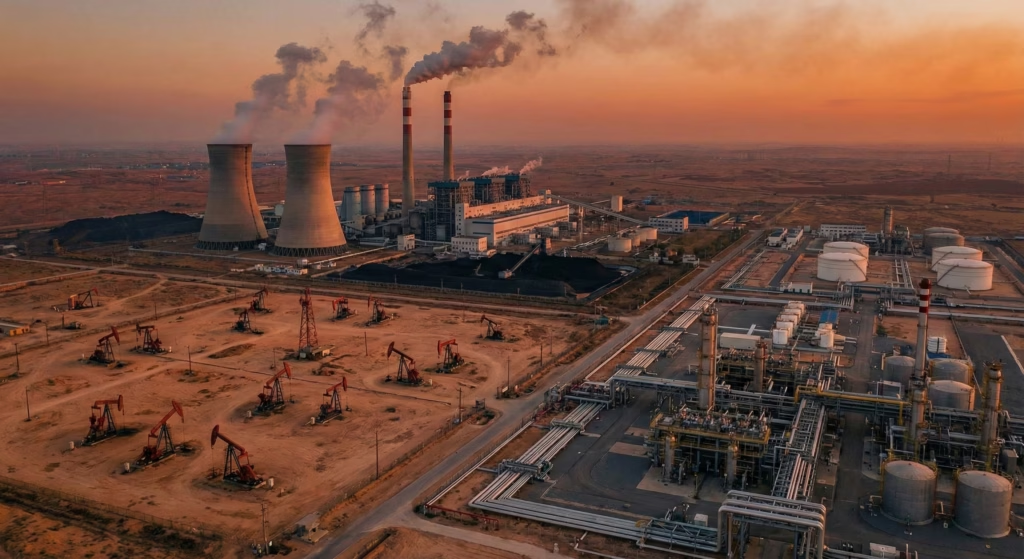
Energy is part of almost everything you do, from turning on a light to charging a phone or riding in a car. Some of that energy comes from sources that can run out. Those sources are called nonrenewable energy, and understanding them helps make sense of how the modern world works.
This topic might sound technical at first, but it is actually very connected to daily life. Nonrenewable energy has shaped cities, industries, and even the way people travel and communicate. Let’s break it down in a simple and human way.
A Simple Way to Understand Nonrenewable Energy
Nonrenewable energy comes from natural resources that take an extremely long time to form. These resources are used much faster than nature can replace them. Once they are gone, they are gone for good on a human time scale.
Think of it like a savings jar that took millions of years to fill. Every time energy is used, some of that jar is emptied. The jar does not refill anytime soon, no matter how careful we are.
Where Nonrenewable Energy Comes From
Most nonrenewable energy sources formed deep underground long before humans existed. Heat, pressure, and time transformed ancient plants and tiny organisms into fuels buried beneath the Earth’s surface.
Coal formed from old forests that were buried and compressed. Oil and natural gas came from ancient marine life that settled on ocean floors. Uranium, another nonrenewable source, comes from minerals found in rocks and is used for nuclear energy.
These materials stayed hidden for millions of years until people learned how to find and use them.
How We Use Nonrenewable Energy Every Day
Nonrenewable energy plays a huge role in modern life. Power plants burn coal or natural gas to produce electricity. Cars, buses, and airplanes mostly rely on fuels made from oil. Many homes use natural gas for heating and cooking.
Factories also depend on these energy sources to make products like clothes, electronics, and building materials. Even things that seem simple often rely on nonrenewable energy somewhere along the way.
It is easy to forget how much of daily comfort comes from these sources because they work quietly in the background.
Why Nonrenewable Energy Became So Popular
One big reason nonrenewable energy became so popular is reliability. These energy sources can produce large amounts of power at any time of day, regardless of weather conditions. This made them perfect for growing cities and expanding industries.
They are also energy dense, which means a small amount can produce a lot of power. This efficiency helped fuel rapid development and technological progress around the world.
For a long time, nonrenewable energy felt like an endless gift from the Earth.
The Benefits People Often Notice First
Nonrenewable energy helped build the modern world. It allowed factories to run constantly, transportation to expand across continents, and electricity to reach homes and schools. These changes improved living standards for many people.
Another benefit is existing infrastructure. Power plants, pipelines, and engines were designed around these fuels, making them relatively easy to use and distribute.
These advantages explain why nonrenewable energy is still widely used today.
The Challenges That Come With It
Despite its benefits, nonrenewable energy has serious downsides. Burning fossil fuels releases pollution into the air, which can harm health and contribute to climate change. Mining and drilling can damage land and water ecosystems.
There is also the issue of supply. Since these resources are limited, they become harder and more expensive to extract over time. This can lead to economic and political tensions as countries compete for what remains.
These challenges are pushing people to rethink how energy should be produced and used.
Thinking About the Future
Nonrenewable energy is not disappearing overnight, but its role is slowly changing. Many countries are looking for cleaner and more sustainable options while still relying on nonrenewable sources during the transition.
Understanding nonrenewable energy helps explain why this shift matters. It shows how deeply these resources are woven into everyday life and why moving away from them takes time and planning.
The more you understand where energy comes from, the better prepared you are to take part in conversations about the future of our planet.