
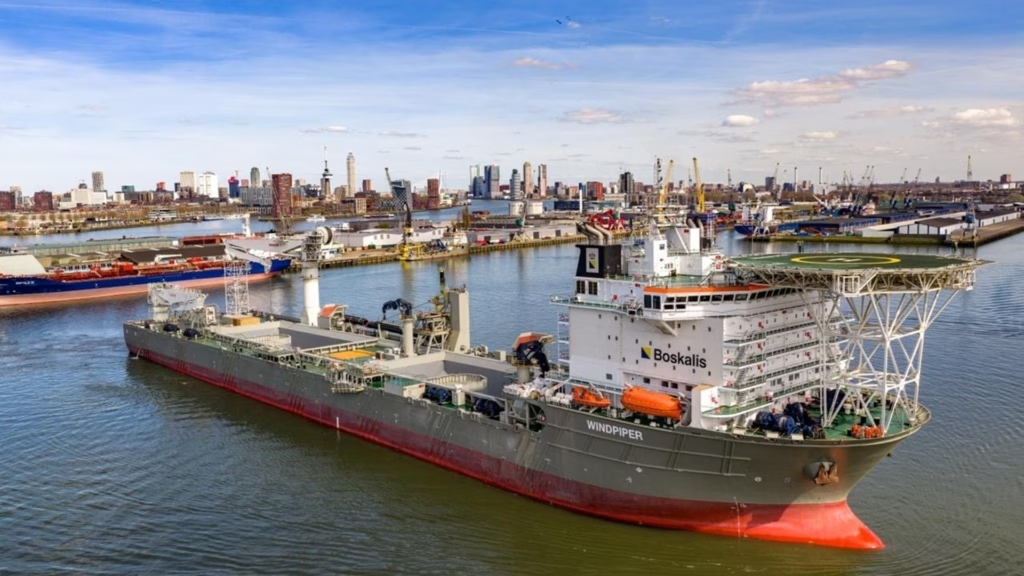
The world’s largest subsea rock installation vessel has just arrived in the Netherlands, getting ready for the final stage before heading out on its first offshore mission later this year. The massive ship, called Windpiper, reached Rotterdam in early April 2026 and is now undergoing its final upgrades and commissioning work at Waalhaven.
Built by Boskalis, Windpiper stands out as the biggest vessel of its kind ever created. It can carry an enormous 45,500 tons of rock, stretches 227 meters in length, and measures 40 meters wide. On top of that, it’s powered by an impressive system delivering more than 31,000 kilowatts, making it one of the most capable ships operating in offshore construction today.
What makes Windpiper even more interesting is that it wasn’t built entirely from scratch. It started life as a completely different type of vessel before being transformed into a specialized subsea rock installation ship. That conversion involved major engineering work, including the addition of two large rock storage holds and a key system known as an inclined fall pipe. This system, along with the ship’s moonpool, allows it to accurately place rocks on the seabed, helping protect offshore structures like wind turbine foundations from erosion and damage.
The vessel is designed to operate in tough offshore environments. It uses seven thrusters and features Dynamic Positioning Class 2 technology, which allows it to automatically maintain its position even if one component fails. This level of stability is essential when carrying out precise operations on the seabed, especially in rough waters.
Windpiper is now entering its final commissioning phase in Rotterdam, where everything will be tested and fine-tuned before it begins work. Its first assignment is expected to take place in the Baltic Sea later this year. The ship’s large carrying capacity is split between two holds, making it especially efficient for projects that require long travel distances between loading sites and offshore locations. This means fewer trips are needed, which helps reduce both operational costs and emissions.
Inside the vessel, there’s also a strong focus on comfort. With more than 100 single-occupancy cabins, the ship is designed to provide private and comfortable living spaces for crew members as well as client representatives who may be onboard during operations.
This project also highlights a growing trend in the maritime industry: repurposing existing ships instead of building entirely new ones. By converting an older vessel into something highly specialized, Boskalis has managed to extend its lifespan while reducing construction time and environmental impact.
With its size, technology, and efficiency, Windpiper is set to play a major role in offshore construction projects, especially as demand for renewable energy infrastructure continues to grow. All eyes are now on its upcoming debut mission later this year.